
Dr. Vinod T. Gore Robotic Surgical Oncologist · Pune
Choosing the right surgical approach is one of the most important decisions in cancer treatment. Here is an honest, expert comparison.
Both robotic and open surgery aim to remove cancer safely and completely. The difference lies in how that goal is achieved — and the impact on the patient's recovery and quality of life.
A feature-by-feature comparison across the factors that matter most to patients and their families.
Especially useful in complex, deep-seated cancers where precision and access make a critical difference to both oncological outcome and quality of life.
3D magnified vision and wristed instruments reach areas the human hand cannot
Precise dissection reduces intraoperative bleeding and need for transfusion
Patients typically return to normal life within 2–4 weeks vs 6–10 weeks open
2–5 days vs 5–10 days for open surgery in most cancer procedures
Smaller wounds mean less exposure and significantly lower surgical site infection
Pelvis, mediastinum, retroperitoneum — areas where robotic dexterity is transformative
Precise dissection protects nerves, vessels, and adjacent healthy structures
Less pain, smaller scars, faster recovery means earlier return to full function
Robotic surgery is not suitable for every patient or every cancer. An experienced surgical oncologist will always recommend the approach that delivers the best oncological outcome — not the most advanced technology.
Very large or bulky tumours where wide surgical access is essential for safe removal
Locally advanced cancers with involvement of major vessels or adjacent organ invasion
Situations where the minimally invasive approach is not technically feasible or safe
Emergency or urgent presentations where expedited access is clinically required
Patients with medical conditions that make prolonged robotic positioning unsafe
Cases converted from robotic/laparoscopic to open during surgery for safety reasons
Both robotic and open surgery are safe when performed by experienced surgeons with proper patient selection. Safety is not about the technology — it is about the surgeon's expertise and the correct match of technique to patient.
The single most important safety factor — regardless of robotic or open approach
Not every patient is a candidate for robotic surgery — proper evaluation is essential
Advanced ICU, OT, and oncology support teams matter as much as the technique
Equivalent or superior cancer clearance margins in robotic surgery — in expert hands
The best surgical approach is the one that removes cancer completely and safely — chosen by a surgeon with deep oncological expertise and honest clinical judgment.
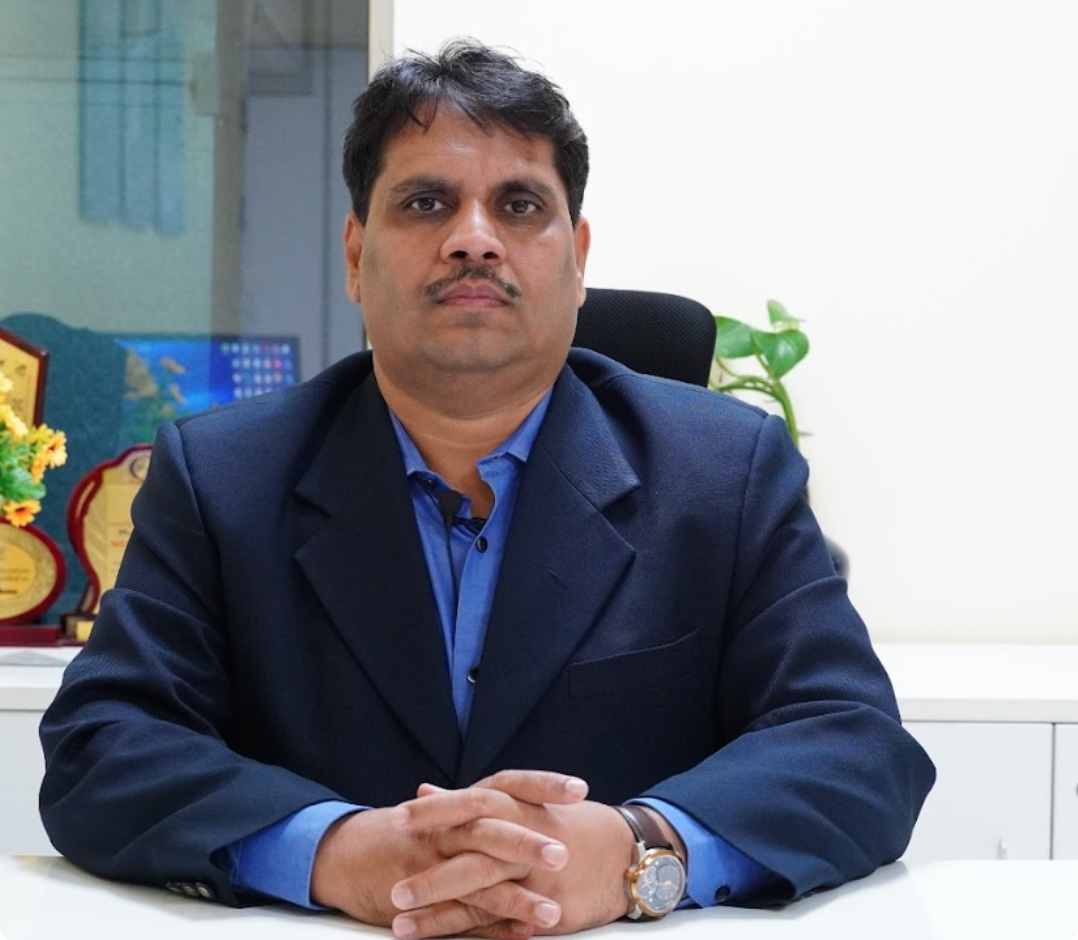
Department Head, Surgical Oncology · Sahyadri Manipal Hospital, Pune
Nearly 30 years of experience across all cancer surgery specialities
An experienced surgical oncologist will evaluate cancer type and stage, assess patient fitness, and recommend the safest and most effective surgical approach — without bias towards any technique.
Robotic surgery is particularly beneficial in specific clinical situations — where its precision and access advantages translate directly into better surgical and oncological outcomes.
Cancers requiring precise dissection in deep or confined anatomical spaces — pelvis, mediastinum, retroperitoneum
Patients where nerve and vessel preservation is critical — rectal cancer, prostatectomy, radical hysterectomy
Patients who need the fastest possible recovery — to resume work, family responsibilities, or adjuvant therapy
Complex GI cancers — Whipple's procedure, oesophagectomy, D2 gastrectomy — in high-volume robotic centres
International patients seeking minimally invasive cancer surgery with shorter hospital stay and faster travel home
Patients where cosmetic outcome matters — thyroid surgery without neck scar, breast surgery with minimal incision
Robotic surgery is not recommended for every patient — and it should not be.
The focus is always right treatment, not over-treatment. The best cancer surgery is the one that removes the tumour completely, safely, and with the best possible quality of life — whether that is robotic, laparoscopic, or open.
Every cancer case is unique. Get an honest, expert second opinion on whether robotic or open surgery is the right choice for you.